Franklin County : In Brief
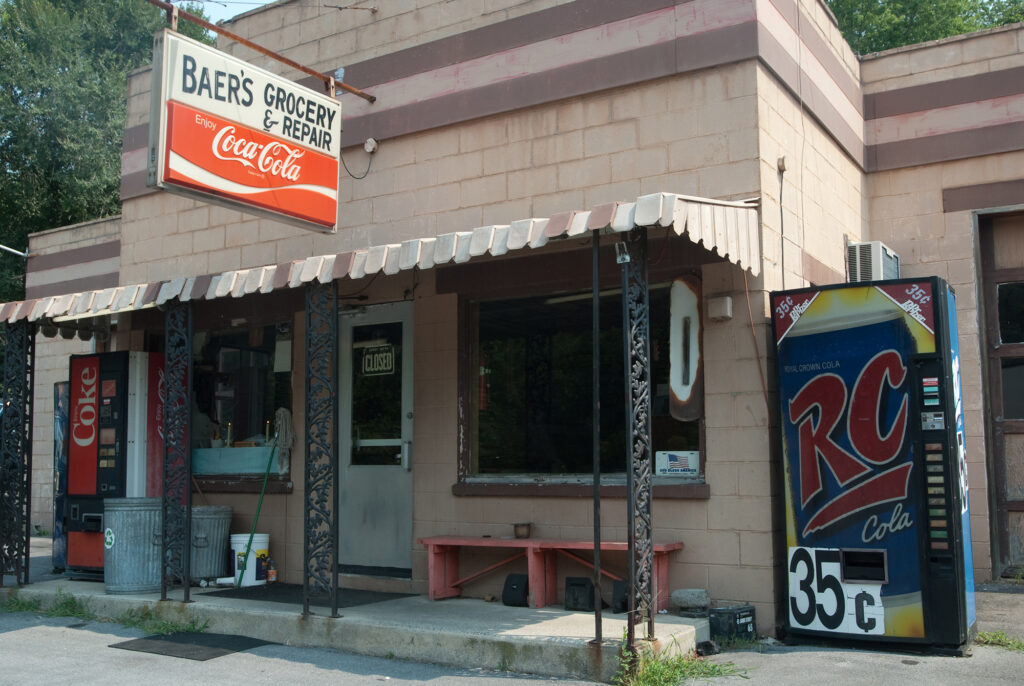
Franklin County, named for Benjamin Franklin, was created in 1784 from part of Cumberland County. Chambersburg, the county seat, was aptly named for Benjamin Chambers, whose 1730 settlement was the future county’s first permanent settlement. In 1797, the historic town of Waynesboro was settled and laid out by Scottish-Irish settler John Wallace and named for his Revolutionary War commander, General Anthony Wayne. Franklin County is home to the lower Cumberland Valley, a lush portion of the Great Appalachian Valley that runs from Canada to Alabama. The land was purchased from the Indians in 1736, and is still its agricultural and economic center. The region prospered with the production of massive amounts of paper, crushed stone and lumber, which were transported on the Cumberland Valley Railroad. The railroad, built in the early 1830’s, functioned through the 1960’s, and during the Civil War was a vital supplier of Union troops to Franklin County. Because of its strategic Cumberland Valley location, the county sustained three major Confederate raids. Chambersburg remains the only Northern town burned to the ground by Confederate troops. The county is also home to the state’s oldest state park, Mont Alto, the site of the former Mont Alto Blast Furnace. It is now a serene state park full of hiking trails and a picnic pavilion, which at the turn of the last century housed a spectacular carousel.
Fayette County : In Brief
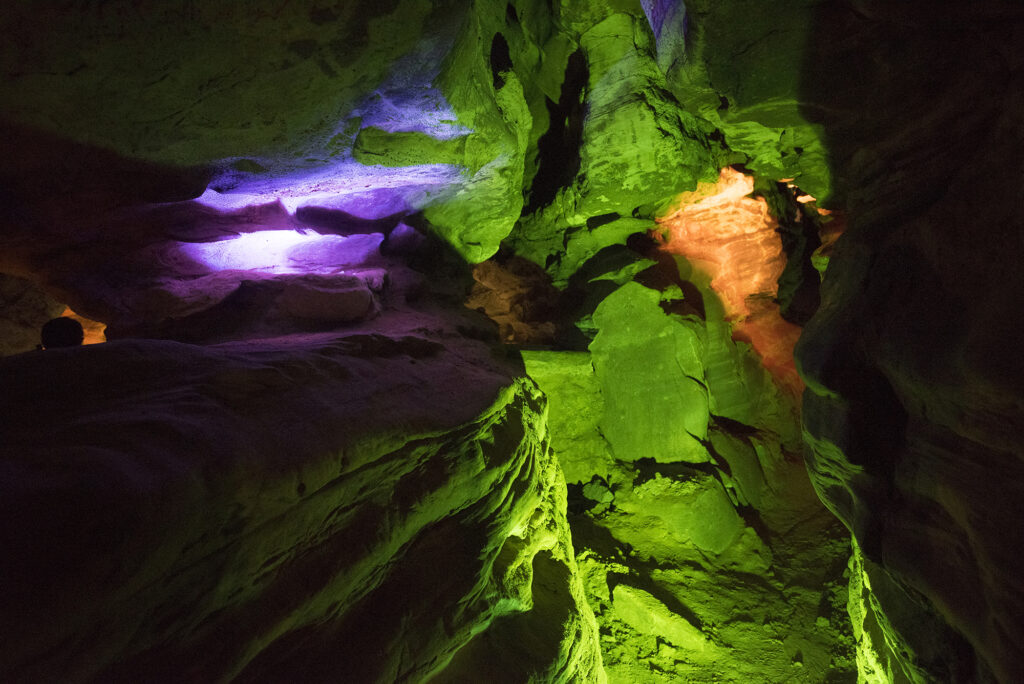
The first Europeans in Fayette County were European explorers who had used an ancient American Indian trail that bisected the county on their journey across the Appalachian Mountains. Control of the area remained in dispute throughout the mid-1700’s—both France and Britain wanted this important supply route, and both ignored the indigenous people living there. During the American Revolution, a border dispute resulted in both Pennsylvania and Virginia claiming the territory. Finally, in 1783, the new Federal Government decided in favor of Pennsylvania, and created Fayette County—named for the Marquis De Lafayette –out of part of the much larger Westmoreland County. Its county seat was, and remains, in Uniontown. In 1793, the residents of Fayette County joined other regions in the Whiskey Rebellion. President George Washington sent federal militias in, and the rebellion ended in 1794. Throughout the 19th century, Fayette County grew as the coal industry grew. The population, at first mainly German and Scottish farmers, became more diverse as industry grew in western Pennsylvania. Southern and Eastern Europeans emigrated to the region to participate in the new coal economy. African Americans, in the Great Migration north, settled in Pittsburgh and the surrounding counties. But despite the diversity, wealth and political power remained, for the most part, concentrated in the hands of the English and Scottish families who had been in the region for generations. By World War II, unionization and good industrial jobs had helped Fayette’s citizens to achieve a level of prosperity. But with the waning of the coal industry, and the restructuring of western Pennsylvania’s steel industry in the latter half of the 20th century, came population decline and a turn to a service economy. The county is home to pristine woodlands and parks. Ohiopyle State Park, the gateway to the Laurel Highlands, encompasses approximately 20,500 acres of natural beauty. The Youghiogheny [River Gorge is the centerpiece of Ohiopyle. It provides some of the best whitewater boating in the eastern United States, as well as spectacular scenery. Laurel Caverns, extending over a 3-mile area under the mountains, is Pennsylvania’s largest cave system, attracting thousands of visitors each year.
Erie County : In Brief

Erie County was named for the lake and the Indian tribe, the Eriez, who first used the inland waters. The county was created in 1800 from a part of Allegheny County, which Pennsylvania had purchased from the United States Government in 1792. It was here that Commodore Perry led his sailors against the British in the Battle of Lake Erie during the War of 1812. One tragic outcome of this round of fighting was that many of the American soldiers camped at Misery Bay on the lake ended up dying from smallpox. Their suffering gave the bay its name. They were buried in the adjacent pond named, aptly, Grave Yard Pond. In the mid-19th century Erie was the freshwater fishing capital of the world. Railroads were introduced in 1864 to complement the Erie Canal extension, and Erie thrived as a transportation center. Grapes grow well along the lake shore and many of the fine wines of Pennsylvania come from grapes grown in this region.
Elk County : In Brief

Elk County was formed on April 18, 1843, from parts of McKean, Clearfield, and Jefferson Counties, and was named for the large elk herds that roamed the area. Ridgway, the county seat, was named for Jacob Ridgway, a local landowner. As settlement increased, the indigenous elk population was hunted to extinction. A herd was later introduced from members of western elk herds, and has grown to number around 230. They can be seen roaming near the airport in Benzinger Township or in the Benezette area. Early settlers were attracted by the large amount of forest land, and the timber industry thrived. Lumber was floated down the Clarion, Allegheny, and Ohio Rivers to Pittsburgh, Louisville, and New Orleans. The coming of the railroad in 1864 added to the growth of the early economy. By 1890, coal, oil and the tanning industry were important economic drivers. Today, paper, carbon and powdered metal are key to the county’s economy. Elk is one of four counties that have large areas lying within the Allegheny National Forest. The first state game lands established in Pennsylvania were established in Elk County in 1920.
Dauphin County : In Brief
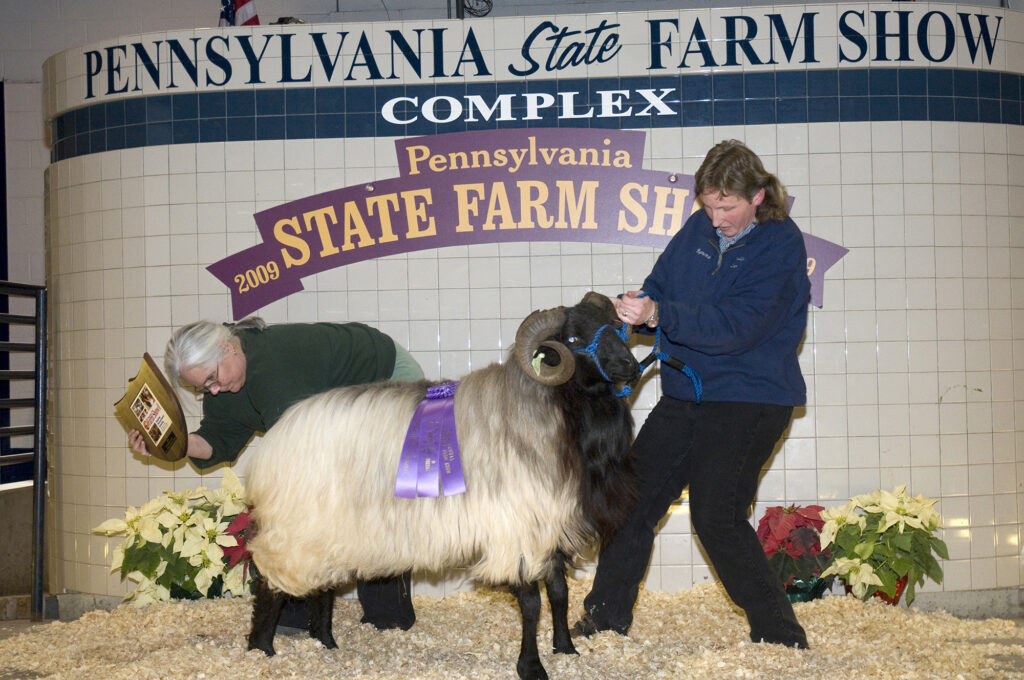
Englishman John Harris arrived in Philadelphia as one of the first emigrants to accompany William Penn. In 1719, he and his wife Esther moved west and built a log cabin on the banks of the Susquehanna River in what was then a part of Chester County, and in what is now Harrisburg. In 1727, John Harris Jr. was born. By 1729, their acreage along the Susquehanna had been apportioned to Lancaster County. John Harris Sr. developed a 300-acre farm and began a successful partnership with local Indians, trading furs and skins. By the time John Harris Sr. died, father and son had expanded their business to include numerous trading posts, and a ferry service across the mile-wide Susquehanna. In 1782, John Harris Jr. argued before the General Assembly against the inconvenience of having to travel to Lancaster to conduct legal business, and won his arguments: Dauphin County was created in 1785. Its name was chosen to honor the son of the French king, Louis XVI, who came to America’s aid in the Revolutionary War. Harris Jr. showed amazing foresight when he donated a part of his land to the Commonwealth: Harrisburg became the state capitol in 1812. By the mid-1800’s, Dauphin was a canal and railroad center, steel mills prospered in Steelton, and the American Tube and Iron Company flourished. Today agriculture, tourism, and politics thrive in Dauphin County. John Harris Sr. knew a little bit about the latter: he had once been tied to a mulberry tree near the Susquehanna, where hostile Indians planned to burn him. He sent out an appeal to his Indian friends, who came to his rescue. Upon his death in 1748, he was buried, at his request, under the tree.
Crawford County : In Brief
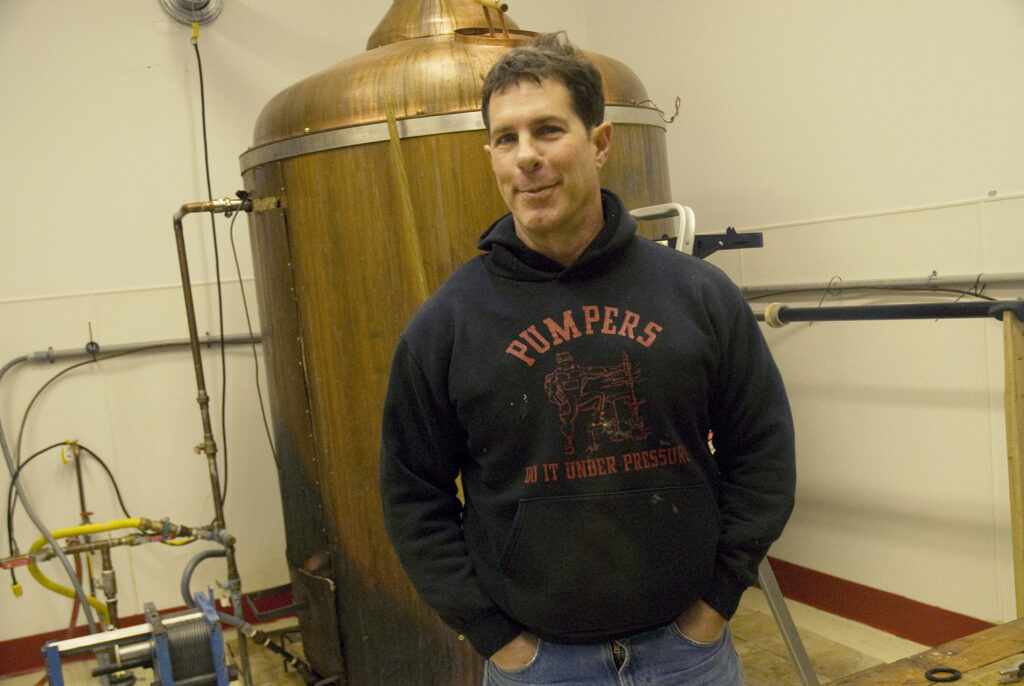
First settled by Irish and Scotch Irish immigrants in the late 1780’s, Crawford County was created on March 12, 1800, from part of Allegheny County. Named for frontiersman Colonel William Crawford, Crawford is one of Pennsylvania’s largest counties. Meadville, the county seat, was named for its founder, David Mead, and was incorporated as a city in 1866. Corn and rye grew well from the start, and led to advanced livestock production. The opening of the Erie Extension Canal, part of which stretched from Erie to Lake Conneaut, helped in Crawford County’s expansion; the French Creek also proved a valuable asset, as lumber, wood products, and salt sailed from Crawford County to the market in Pittsburgh. Crawford County followed Drake’s 1859 discovery of oil in Venango County with an oil boon of its own, centered in Titusville. Later, the county was home to a thriving tool and die industry, tool manufacturing, and the Spirella Corset Company, which boasted a superior corset. Today, thirty-seven percent of the land is still farmed, and the streams and meadows which impressed George Washington in 1753 still attract the attention of those who visit Northwestern Pennsylvania.
Columbia County : In Brief
Columbia County was formed on March 22, 1813 out of Northumberland County. Columbia was named in honor of Christopher Columbus, the Italian explorer then credited with the discovery of North America. Perhaps the ideacame from a song performed in Philadelphia in 1798 by Joseph Hopkinson, that begins, “Hail Columbia, Happy Land.” A Friends Meeting House was built at Catawissa in 1789, and Bloomsburg, the county seat, was incorporated in 1870. The town of Centralia is now famous for the undergreound gas fires that forced evacuation in the 1980’s. The present day ghost town was once, along with other mining towns in the county, both prosperous and a hotbed of labor unrest during the time of the Molly Maguires.
Clinton County : In Brief
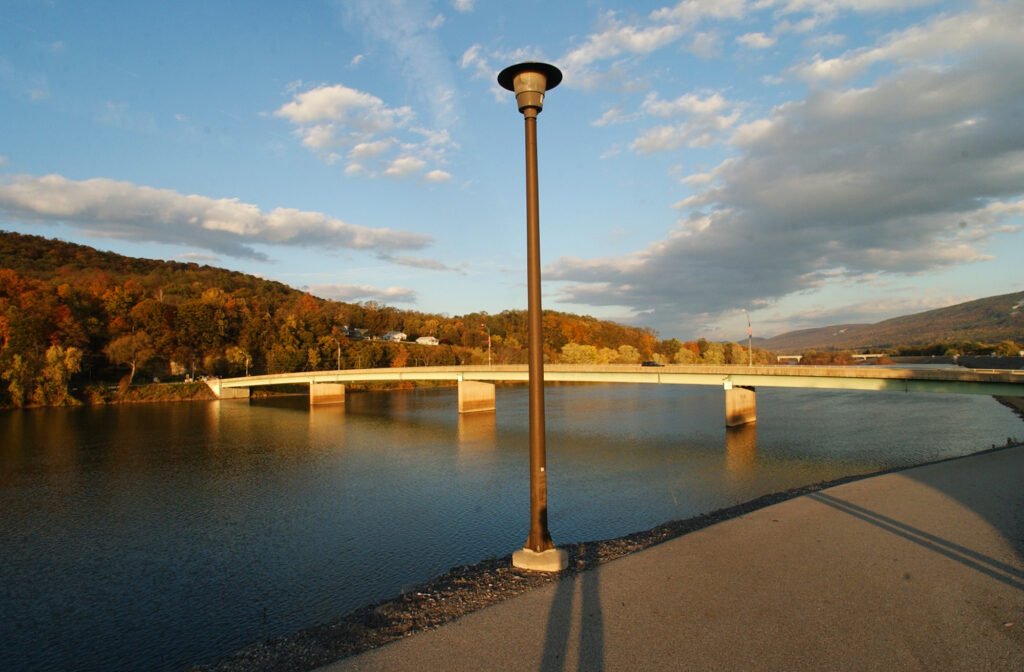
Clinton County, incorporated in 1839, was formed from parts of Centre and Lycoming Counties. The first white settlements of the region were recorded in 1762; land south of the West Branch of the Susquehanna River was purchased in 1768, land north of it was purchased in 1784. Seneca Chief Bald Eagle, one of the most colorful figures in Pennsylvania History, led many successful raids on the territory till his death, in battle, in1779. The county was nearly named Eagle County. Ultimately, it was named for Governor DeWitt Clinton of New York, perhaps as a tribute to his promotion of the Erie Canal–the county’s survival depended on the vibrant economic life provided by the canals on the West Branch of the Susquehanna. The county seat, Lock Haven, was named for its place along the canal system. Clinton’s iron manufacturing industry eventually gave way to the paper, silk, and dye industries. The county’s economy flourished through the 19th and 20th centuries, even through the devastating floods of 1889, 1936, and 1972. It was the home of Piper Aircraft, and remains the proud home of Woolrich Mills, an icon of American clothing manufacturing.
Clarion County : In Brief
Clarion County came into being in 1839 when parts of Venango and Armstrong counties were broken off to form a new county along the banks of the Clarion river. The county grew rapidly due to the oil and timber industries; it lies in the same oil region for which Titusville, PA is so famous, and Cook Forest is the home of the largest stand of virgin white pine east of the Mississippi River. For decades timber and the sawmills which turned it into lumber drove the county’s economy. Clarion is now as famous for tourism as for industry, exemplified by the annual Autumn Leaf Festival. It’s also a place which takes the law seriously: in 1911, invitations to the county’s first–and only–hanging were sent out in hopes that such a sight would serve as a lesson. Unfortunately, many good citizens were incensed when they realized they had not been invited. The lesson in etiquette was not the kind of lesson the sherriff had in mind.
Chester County : In Brief

Chester County has long been known for the diversity of its cultural and histrical offerings. The Battle of Brandywine was fought here. The Wyeths, whose work is showcased in the Brandywine River Museum, were and remain giants of contemporary American art. Longwood Gardens, one of the world’s premiere horticultural display gardens, boasts a conservatory, 40 unique gardens, and spectacular fountains and holiday displays. Over the past few decades Chester County, whose charms seemed frozen in time for so long, has followed other counties in the region in the inexorable march toward suburbanization and development.