Luzerne County : In Brief
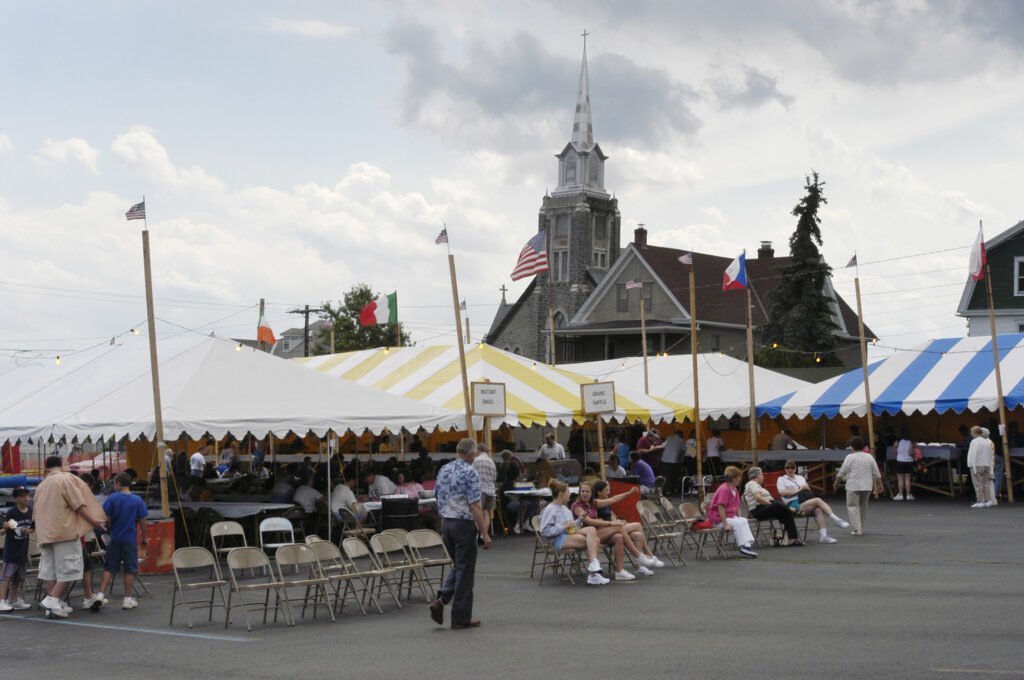
Luzerne County, founded in 1786, was named for the Chevalier de la Luzerne, the French Minister to the United States. The county seat, Wilkes-Barre, was named for two members of the British Parliament, both strong advocates for American rights. This multiculutral sensibility flourished as the region became home to the rich variety of ethnic groups who came to work in the anthracite mines, on the railroads, or in the locomotive and machine plants. The county courthouse and surrounding lands in Wilkes-Barre provide a stunning example of the late19th century ‘city beautiful’ movement, a model of urban planning which incorporated building design, open space, parks and boulevards into the fabric of city life. Today, Luzerne County is renowned for its history and cultural life, its proximity to both Philadelphia and New York, and for a wealth of outdoor activities ranging from skiing to hiking to harness racing.
Lehigh County : In Brief

Lehigh county, named for the Lehigh River, was created on March 6, 1812, from part of Northampton County. The word “Lehigh” is derived from the Native American term “Uchauwekink,” meaning ‘where there are forks.’ Allentown, the county seat, was incorporated as the Borough of Northampton in 1811 and chartered as a city in 1867. English, Scotch-Irish, Welsh and German settlers were living in the Lehigh Valley by the early 1700’s thanks to ‘The Walking Purchase, a land deal with the resident Lenni Lenape Indians. It might better be called “The Running Purchase,” as it was a thinly veiled land grab—and bad blood– by the English; the French and Indian War was the outcome of bad practices such as this between English and Native Americans. The Lehigh Canal, completed in 1829, helped the coal and timber industry to thrive by providing a route to Philadelphia. The economic fortunes of the county continued to rise until 1841, when a flood destroyed most of the hoses and businesses built along the canal. Railroads arrived in the late 1840’s and the county flourished through the mid-20th century, when it fell victim to de-industrialization. Today, farming is still a major industry and farms take up forty-three percent of Lehigh County’s land.
Lawrence County : In Brief
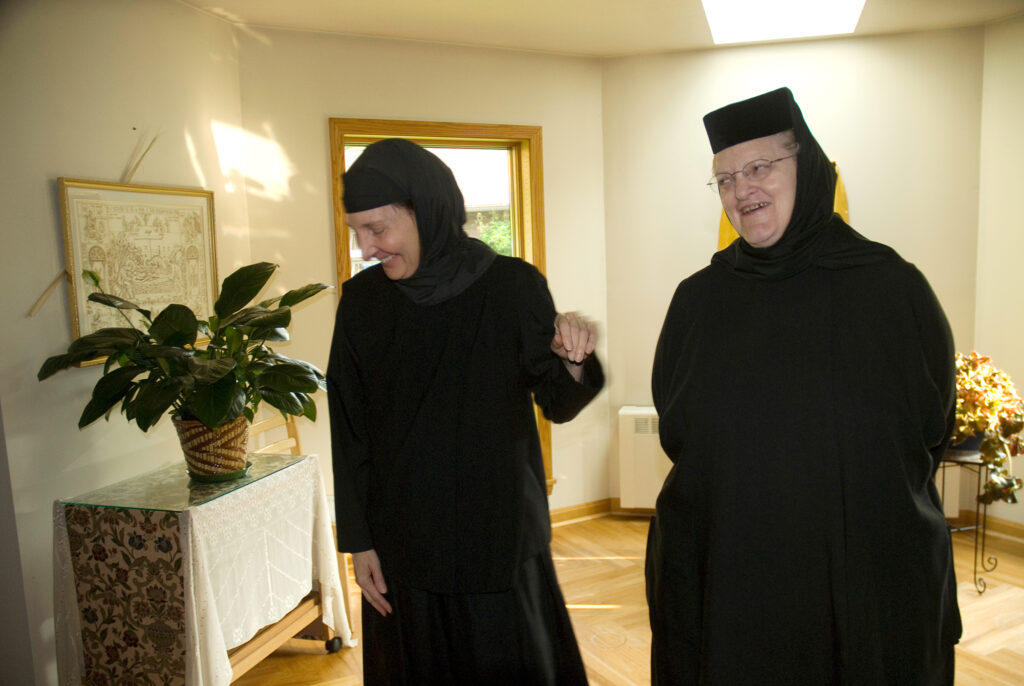
In 1793 Settlers from Allegheny County migrated to the area now known as New Castle, Lawrence County. They came to work in limestone quarries, and to mine iron ore and coal. Blast furnaces built in 1838 for making iron were located in both Beaver and Mercer counties; Lawrence County was created in 1849 from parts of these counties to eliminate the confusion and bring the furnaces under one statutory roof. New Castle became the county seat. The growth of the Pennsylvania Railroad and the introduction of canals brought more industry and vast numbers of European immigrants to the county. By 1890. Lawrence County had become a tin plating center of the world. By the 1920’s, wealth had transformed New Castle, and historic structures such as the Scottish Rite Cathedral and the Castleton Hotel still stand. Today the city of New Castle is known as both the hot dog and the fireworks capital of the world, owing to its famous chili dogs and two local fireworks companies of international stature.
Lancaster County : In Brief
Lancaster County was established on May 10, 1729. Formed from part of Chester County, it was one of the original three PA counties. Lancaster was Pennsylvania’s “first western county,” and became a prototype for the 64 counties to follow. The early Mennonite and Amish settlements in the region date back to 1525, but it was not until 1683 that William Penn purchased the land from the Indians. The tract extended from the Delaware to the Susquehanna Rivers, and it was from this tract that both Chester and Lancaster counties were ultimately established. Indian history came to an end in Lancaster County in 1763 when a gang known as the Paxtang Boys broke into the local jail and murdered the last members of the Conestoga Indian Tribe. These Native American men, women and children had been placed in the jail to protect them from those gangs. Part of the old jail is still visible as part of the Fulton Opera House in Lancaster.
Lackawanna County : In Brief
Lackawanna County, created in 1878 from part of Luzerne County, was the last Pennsylvania county to be created. It was named for the Lackawanna River, a name that means “stream that forks.” It was created,after a 40-year fight with Luzerne County over the valuable coal fields in the region, which Luzerne County did not want to cede. Scranton, the county seat was incorporated as a borough in 1856, and named for the industrious local luminaries, the brothers Seldon and George Scranton. In 1847, the brothers had begun making iron T-rails for the Erie Railroad, and Scranton soon became a major producer of these rails. The Scrantons founded the Delaware, Lackawanna and Western railroad to transport iron and coal from the local mines. The massive anthracite mines created local wealth. They also created local miseries. Underneath the city of Scranton, low wage workers, some as young as 8 or 9, worked long days separating slate from coal. Mining deaths soared, and, inevitably, the American labor movement was born. Today, the county is moving toward a less industrial future. But Lackawanna County’s history is still that of the miners. Long labor strikes, brutal mine bosses, the Molly Maguires and their Pinkerton Agency adversaries are still the most enduring part of the anthracite region’s legacy.
Jefferson County : In Brief
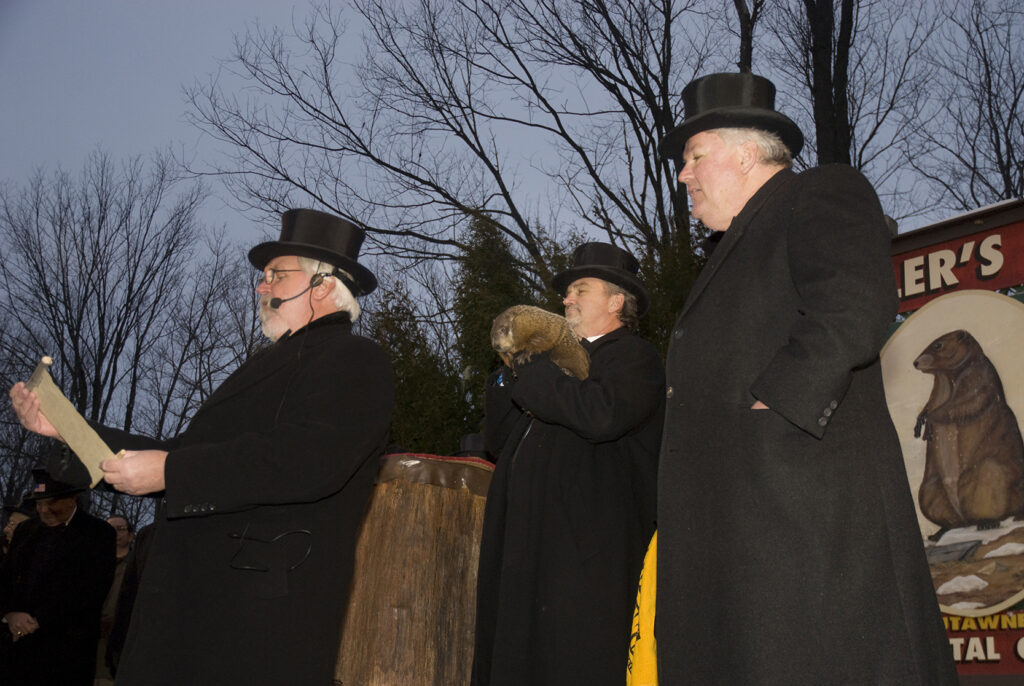
Jefferson County, named for then-President Thomas Jefferson, was created in 1804 from a portion of Lycoming County. It was attached to Westmoreland and Indiana Counties until 1830, when it was formally organized. The town of Brookville was named the county seat. The brooks and streams that run throughout the county nourished forests of maple, white oak, and beech trees, and in the early 19th century lumbering became the county’s major industry. Lumber was floated down the Clarion River to the Allegheny River and into Pittsburgh. Ships carrying whiskey sugar and dry goods sailed upriver and fueled Jefferson County’s economy. Large-scale coal mining, assisted by the building of the Pennsylvania Railroad trunk line, began after the Civil War. The impact of labor strife and the falling market for coal took a toll on the industry, but Jefferson County remains the state’s ninth most productive bituminous coal county. Jefferson County is home to some of the most beautiful laurel fields in the state, and the painstakingly restored Victorian mansions in Brookville remind visitors that the lumber and coal industries once made the county wealthy. But today, Jefferson County is known primarily for the weather prognostications of Punxsutawney Phil, the world’s best-known groundhog.
Huntingdon County : In Brief

Huntingdon County was officially established on September 20, 1787 as a large region of central Pennsylvania. The county was named for the Countess of Huntingdon, England a benefactor of exploration efforts, and of the University of Pennsylvania. In 1767 Rev. William Smith laid out the town of Huntingdon, now the county seat. He later became the first provost of the University of Pennsylvania. The first highways were Indian paths which crossed the county. Traders followed these paths and pioneers then found their way. Coal mined in the region was carried east via railroads that were built in the mid 1800’s. The Broad Top Area Coal Miners Historical Society in Robertsdale still keeps the miners’ history alive. Raystown Lake, in the center of the county, is the largest lake in Pennsylvania that lies totally within the state’s boundaries. Around 1911 a dam was built in the Juniata River to create electricity for the area. This created a shallow lake in the river valley. The US Army Corps built the current dam in the 1970’s, creating the 8,300-acre lake to control flooding and to continue to provide electricity.
Greene County : In Brief
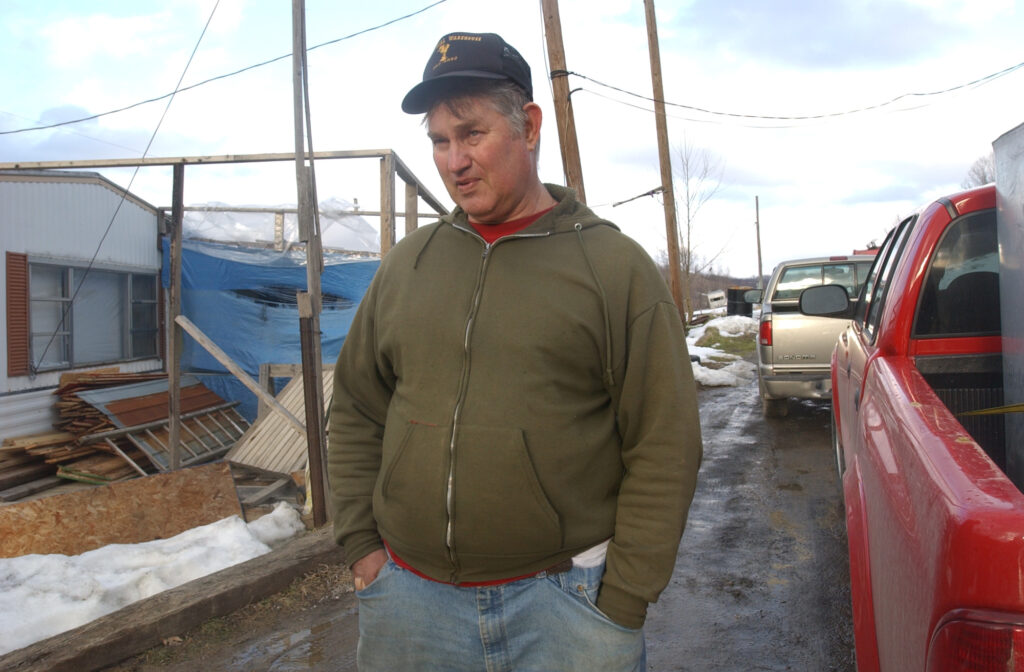
Like many Pennsylvania counties born of other counties, Greene County began life as the southern part of Washington County, gaining independence in 1796. The original courthouse, a small log structure, still stands in Waynesburg, the county seat. Greene lies just south of Pittsburgh, and was for years a critical component in the production of coal-fired steel. During the heyday of steel production, the river town of Rices Landing moved more coal through the Monongehela River locks than any product moved through the Panama canal. Though coal remains a critical employer in the region, Greene County is just as famous for the beauty of its farmlands, as well as the Warrior and the Catawba hiking trails, both rich in Native American history. It is also home to 7,000 acres of state gamelands. The trick will lie in maintaining the delicate balance between natural resources above and below the surface of the earth.
York County : In Brief
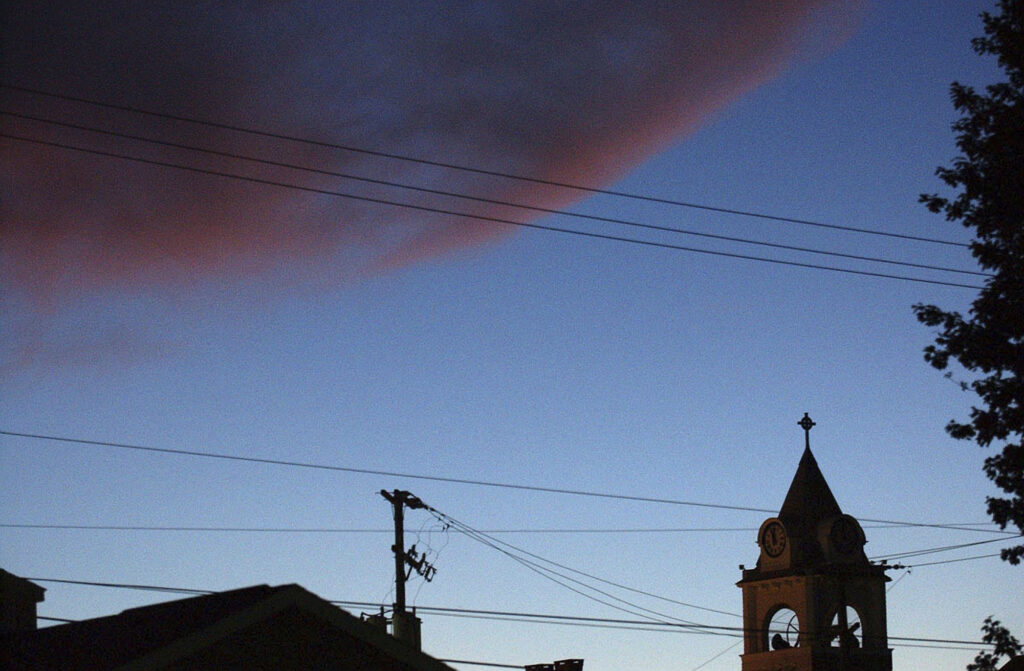
Created on August 19, 1749, from part of Lancaster County, York County was named either for the Duke of York, an early patron of the Penn family, or for the city of York in England. Regardless, York was the first Capital of the United States. It was the birthplace of the Articles of Confederation and it was here that the words “The United States of America” were first spoken. York also promotes itself the home of the first Thanksgiving proclamation. The phrase “underground railway” supposedly originated in this southern Pennsylvania area as runaway slaves were assisted in their flight to more tolerant regions. York was very productive in corn, wheat, hemp, and whiskey. Five railroads served the county, and in the 1920s the Lincoln Highway aided truck transportation. Products could be sold in both the Philadelphia and Baltimore markets and, later on, in Pittsburgh as well. Farms cover 48 percent of the land, making York second only to Lancaster County in number of farms.
Fulton County : In Brief
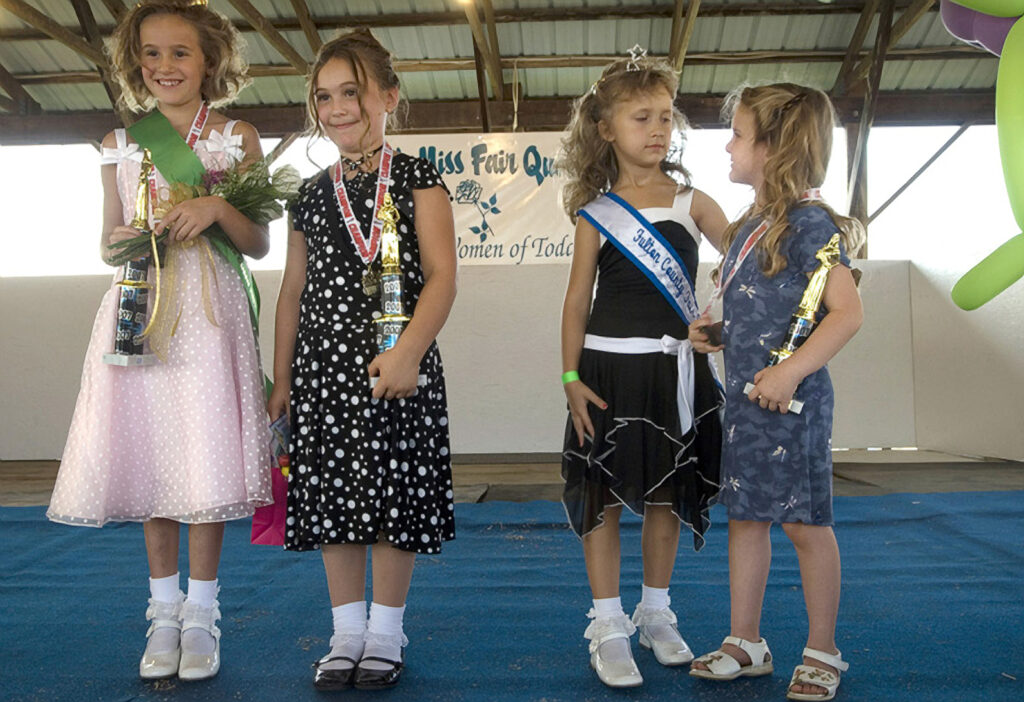
Created on April 19, 1851, from part of Bedford County, Fulton County was named for Robert Fulton, who pioneered the use of the steam engine. The area that became Fulton County was included in the 1754 Albany Purchase from local Indian tribes. Early on, gristmills and tanneries and the timber industry brought economic growth. Somehow, though, the Main LineCanal and the Pennsylvania Railroad bypassed Fulton County, making it difficult for the county to access distant markets. Through the 1930’s, while it was not economically advantageous, its population was able to enjoy the peace of being nestled quietly in the Appalachians. The county is still home to over 50,000 acres of state forest. In 1940, the Pennsylvania Turnpike came through, changing the economic and real landscape. Today, thirty-six percent of the valleys in Fulton County are farmed, and manufacturing accounts for many jobs. Many residents commute to other locales for work. McConnellsburg, the county seat, was named for Daniel McConnell, who laid out the borough in 1786. The borough’s historic district is impressive: in 1933 the U.S. Department of the Interior recognized 144 structures, including the County Courthouse, inns and taverns, in the National Register of Historic Places.