Centre County : In Brief
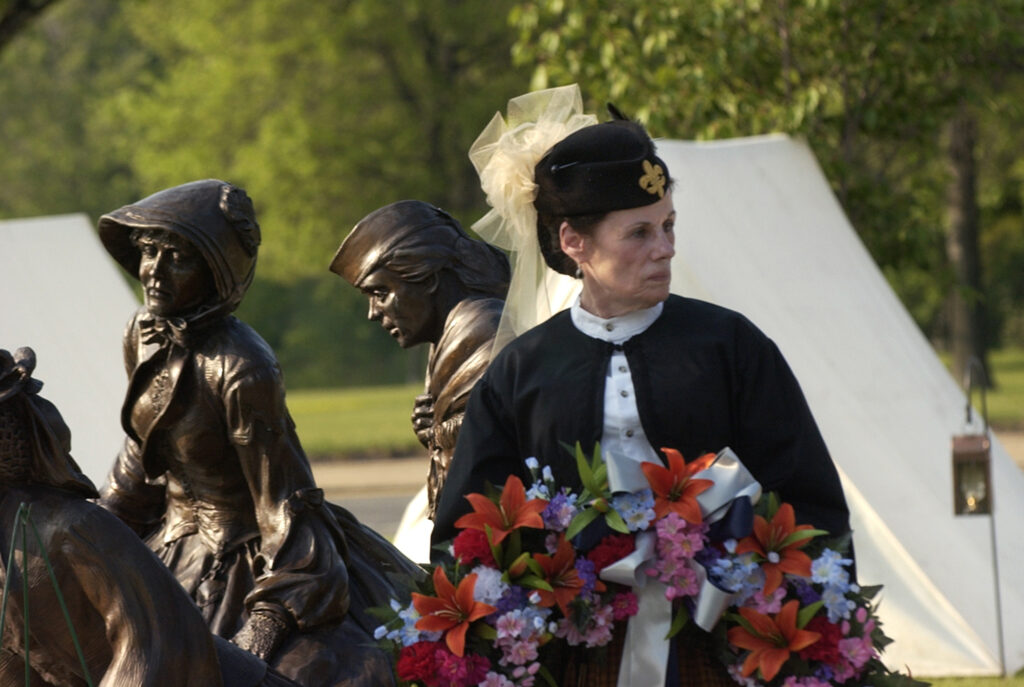
Centre County was created in February 1800 from parts of Huntingdon, Lycoming, Mifflin and Northumberland counties to create a true geographical ‘center’ of the state. Early settlements included those at Bald Eagle’s Nest andPenns Valley around 1770, but real growth began around 1795 when iron orewas discovered and the town of Bellefonte, ‘beautiful spring’ in French, was formed. Bellefonte subsequently became the county seat as well as the locus of iron making during the 18th and 19th centuries. The mining of iron, bituminous coal and the lumber industry helped spur the construction of railroads, and such industries flourished. Agriculture also flourished, and in 1855 the Farmers’ High School of Pennsylvania (which despite the name was a degree granting institution), was chartered. It became a land grant college in 1863. In 1874, the school was renamed The Pennsylvania State College. Before and during the Civil War, the towns of Bellefonte and Half Moon were important stops along the Underground Railroad. Today, Centre County acknowledges its rich history and agricultural wealth with events like the annual Memorial Day Commemoration in Boalsburg, where the Memorial Day tradition of decorating soldiers’ graves is said to have begun, and in the Centre County Grange Fair, the largest grange fair in the country.
Carbon County : In Brief
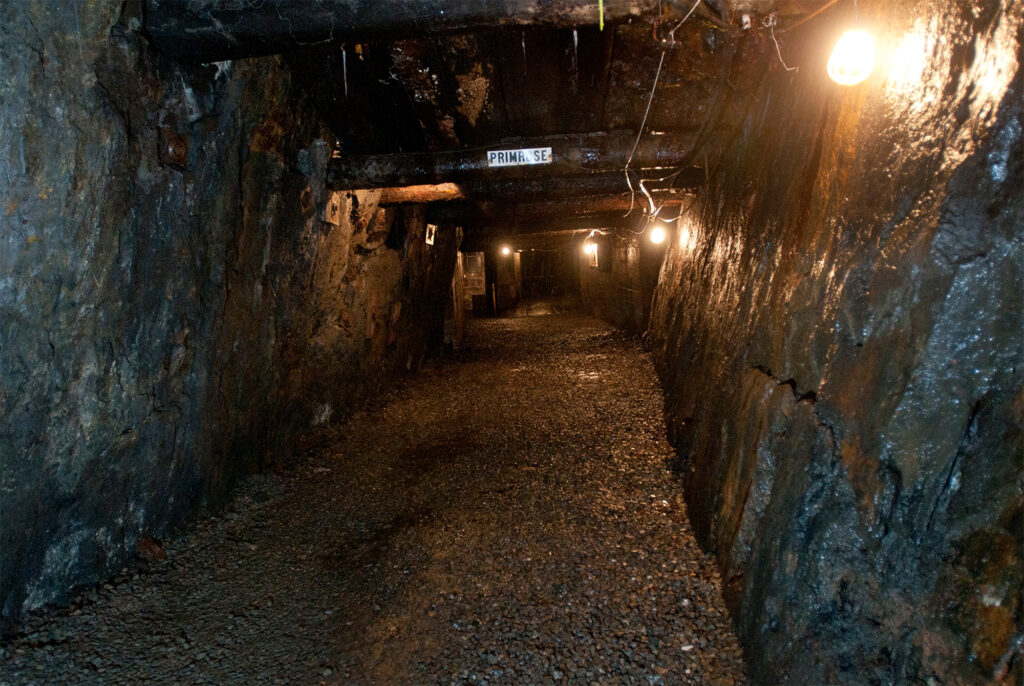
Carbon County was created on March 13, 1843, from parts of Northampton and Monroe Counties. It was so named because of the large deposits of anthracite coal in the region. Jim Thorpe, the county seat, was originally incorporated as the borough of Mauch Chunk, an Indian name which means “Bear Mountain.” The first European settlers, Moravian missionaries, established the mission of Gnadenhutten, now Lehighton, in 1745. They lived alongside the Lenape and Delaware Indians, apportioning land and homes to converts, for the better part of a decade.In the early 1750’s, however, hostilities between Europeans and Native Americans began to boil over, leading to massacres on both sides, much as they did in many other parts of the region. In 1791, Phillip Ginther, a hunter, was credited with the discovery that the “black stones” he found, later known as anthracite coal, would burn. It is entirely possible, however, that the Native tribes had been using it for much longer. Whatever the history, Carbon County grew as mining companies figured out not only how to use, but how to transport the fuel. Its use became critical in the War of 1812, when the British blocked bituminous coal shipments from Virginia to northern cities. In the late 19th and early 20th centuries, the mining industry was often crippled by labor disputes, disputes about safety and fair wages, disputes which crystalized the ongoing struggle between labor and capital. A century ago, nearly 175,000 people worked in the anthracite mines. Today, the mines have all but closed due to economic and energy diversification, environmental concerns, a general decline in profitability, and a population at odds with the horrible health costs of deep mining. Carbon County has other resources: the Lehigh River is one of the finest white water rafting rivers in the East, and there are several beautiful State Parks through which to hike or cycle.
Butler County : In Brief
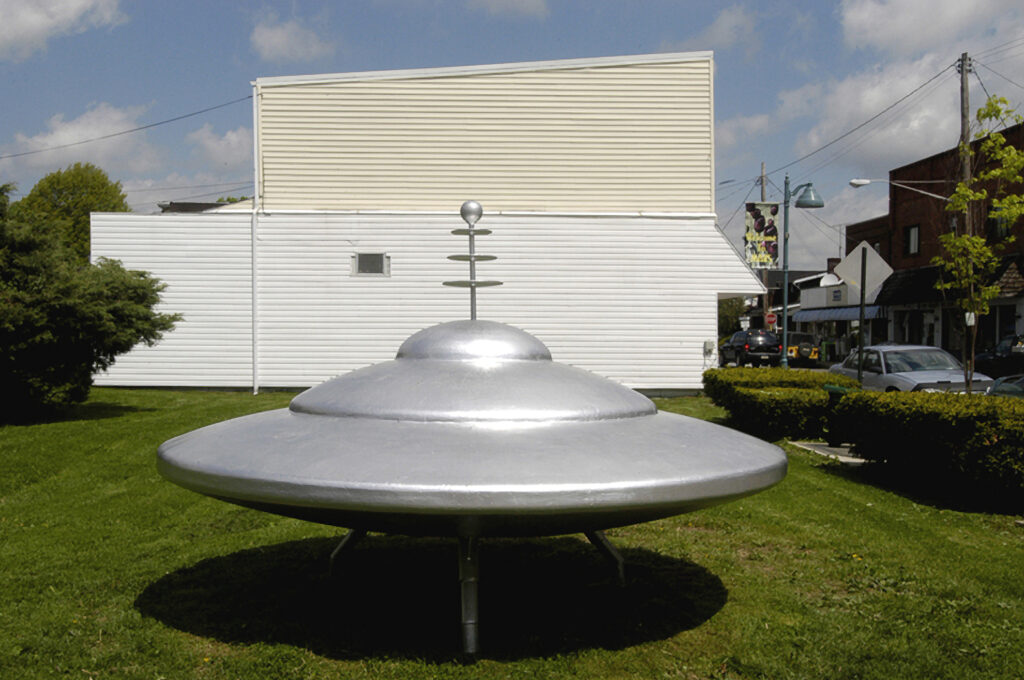
Butler County was created on March 12, 1800. Like other Pennsylvania counties, it was named for a Revolutionary War hero, in this case, General Richard Butler. This seems appropriate for a county whose lands were made up in large part of Donation and Depreciation lands given to veterans of that war. In 1803 the county was formally organized for judicial purposes, with the Borough of Butler named the county seat. The county’s story is typically American: European immigrants–especially those from Ireland and Germany–supplanted Native Americans In the 19th century, Butler County was for a while the home of the utopian Harmony Society and it was an important Underground Railroad station. The 20th century brought bituminous coal mining to the region, and by World War II, Butler had become a major producer of railroad cars, military vehicles, rolled steel and glass. Quite remarkable considering half the county is still covered in forest.
Bucks County : In Brief

Bucks County has always played an important role in Pennsylvania’s, and the nation’s, historic and cultural lives. Founded in 1682 by William Penn, it was named after Buckinghamshire, the English county in which Penn lived. Pennsbury Manor, Penn’s country estate along the Delaware River, is a much visited National Historic Site. Doylestown, the county seat, dates back to at least 1745 when ‘William Doyle’s Tavern’ was erected on the corners of State and Main Streets. This strategic location, linking Norristown and New Hope, enabled the small village to grow into a thriving center of commerce. Long before European settlers began immigrating to Pennsylvania in the 17th Century, the Lenape Indians, who lived on the fertile banks of both the Hudson and Delaware Rivers for hundreds of years, called Bucks County home. Their history and contributions can still be experienced at the Lenape Indian Village, a living history exhibit at the Churchville Nature Center. Besides being home to William Penn, Bucks County is the birthplace, or has been home to many other luminaries: Vice President Aaron Burr hid out in a tavern in New Hope, after having famously killedAlexander Hamilton in a duel. George Nakashima, one of the founders of the American Arts and Crafts movement, designed his signature furniture here. The singer Alecia Moore—better known as Pink— is a native of Doylestown. James Michener was likewise born in Doylestown, and for thirty years, Pearl Buck lived and wrote here. World-famous lyricist Oscar Hammerstein lived on Highland Farm, just outside of Doylestown, from 1940 until his death in 1960. And in the world of sports, no Bucks County athlete made a greater impact or caused more heartfelt sighs than thoroughbred racehorse Smarty Jones, who came within one race of winning horse racing’s coveted Triple Crown, losing — by a length — to Birdstone in the 2004 Belmont Stakes.
Blair County : In Brief
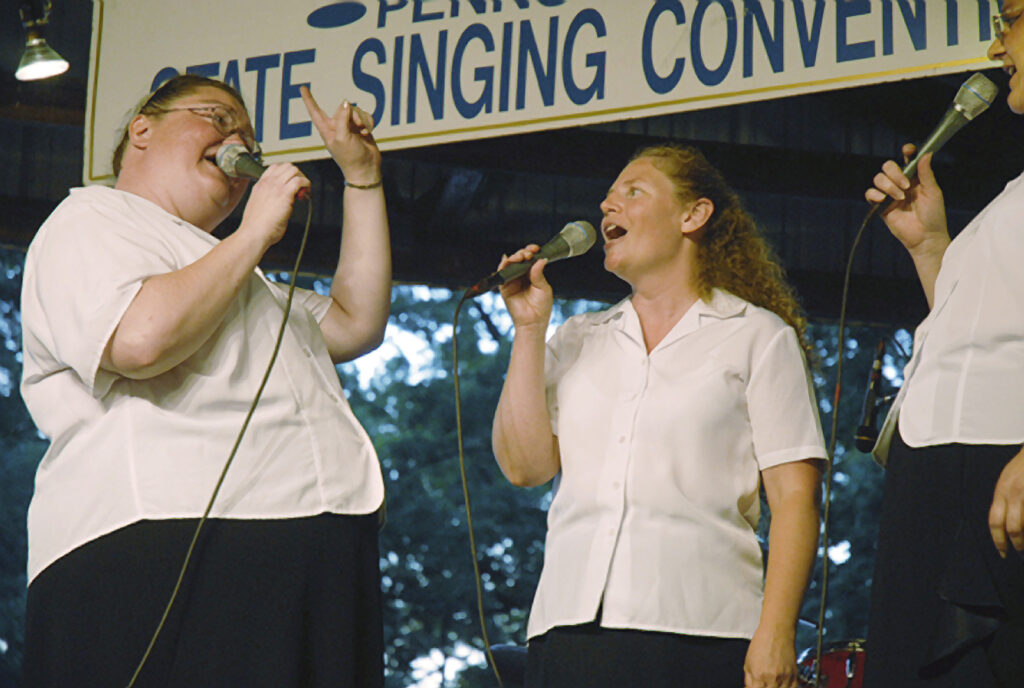
Blair County was created on February 26, 1846, from parts of Huntingdon and Bedford counties, which had both been formed in the late 1770’s. The region had been home to squatters for years before it was finally purchased in a treaty with the Indians in 1754. The Blair family began to settle in the area after the Revolution. They went on to lead the movement to form the new county, which was ultimately named for the family patriarch, John Blair. The county’s early industries included agriculture and iron mining and smelting; the region became powerful with the expansion of the Pennsylvania Railroad. The county seat, Hollidaysburg, incorporated as a borough in 1831, became the terminal of the Portage Railroad, which carried canal boats over the mountains to Johnstown. As canals lost their primacy and railroads took over, the PRR built its first small repair shops on the site of the David Robeson farm. The shops became the world’s largest railroad repair yards and ultimately became the town of Altoona. The railroad was the county’s main employer through the 1970’s. Though its mountainous terrain is not always favorable to cultivation, Blair County thrived on the Pennsylvania Railroad, bituminous coal, and lumber and paper production.
Berks County : In Brief
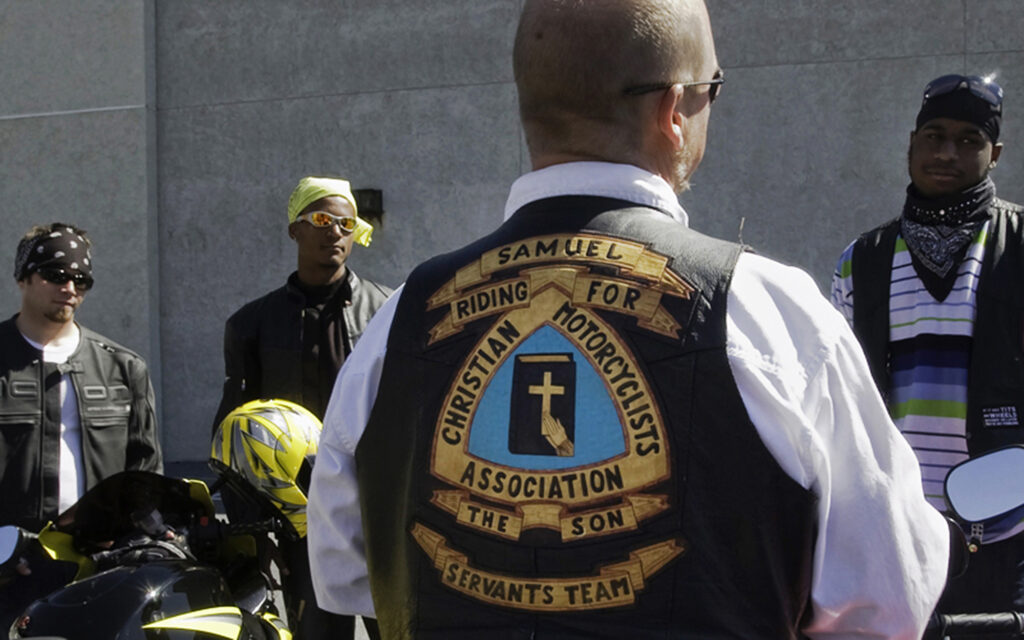
Created on March 11, 1752, from parts of Philadelphia, Chester, and Lancaster Counties, Berks County was named for Berkshire, in England. While Lenape tribes remained in the region through the early 1700’s, the fertile Lebanon and Oley Valleys and rich iron ore deposits made the region appealing to European settlers. Farms still cover percent of Berks County. The region was a major stop along the Underground Railroad, and it was also a major battleground in the 19th century struggle between labor and management: in 1877, Reading-based workers for The Pennsylvania Railroad, angry over severe wage cuts and poor working conditions, seized control of the rail yards. By the time the strike ended, after a brief battle with Pennsylvania Militiamen, 11 railroad workers were dead. The 1877 strike was the country’s first major rail strike, and others followed in its tragic wake. Berks County also remains home to a large German population, and has always been a center of the brewing industry. When Prohibition began in 1920 the Reading Eagle noted, with a nod and a wink, “John Barleycorn, alias King Alcohol, after putting up a game but always a losing fight, passed away at 12:01 o’clock this morning. “
Beaver County : In Brief
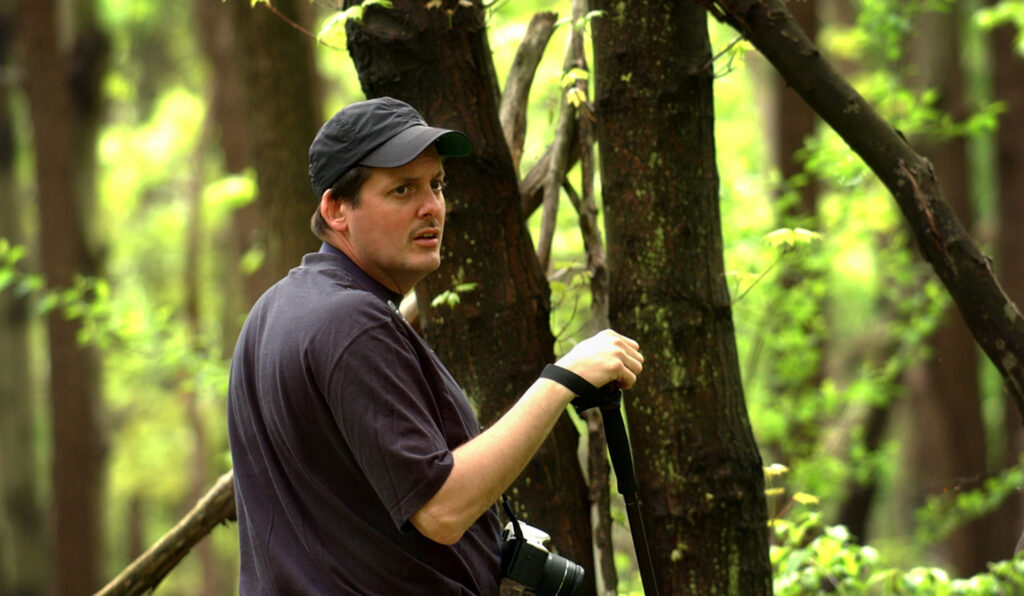
The predominant feature of Beaver County is the Ohio River, and its history is the story of its relationship to its rivers. Its many water routes,including the Beaver River for which it was named, gave rise to many Native American communities. The lands on which they thrived were eventually acquired by Pennsylvania in two treaties, in 1768 and 1784. Beaver County was created in 1800 when it was carved out of parts of Allegheny and Washington Counties, Since then it has been home to Utopian groups, high quality glass and pottery manufacturing, oil and Big Steel, all of which thrived due in part to the county’s access to water. The steel industry, in the form of Jones and Laughlin and U.S. Steel, arrived in the early 20th century and thrived through the 1970’s, swelling the county’s population and its economy. The economic effects of deindustrialization and the loss of ‘Big Steel’ were severe. But Beaver County has survived. Its motto: ‘Divided By Its Rivers, United By Its People.’
Allegheny County : In Brief
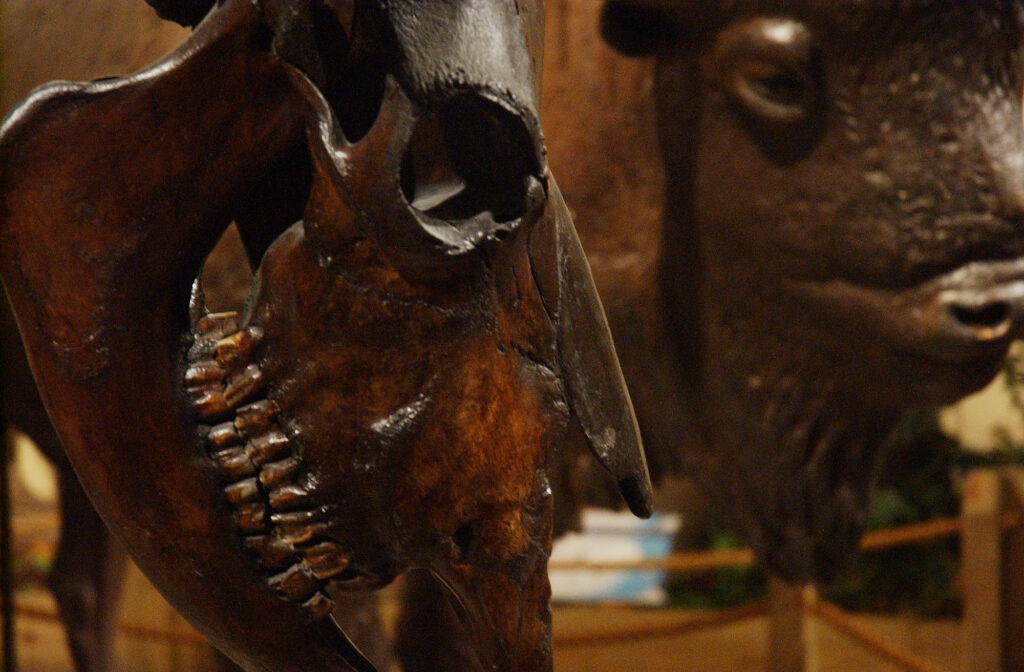
Prior to 1700, Allegheny County was mostly occupied by wandering tribes of Native American Indians, including the Allegwi, for whom the county is named. In the 1750’s, both the French and the British wanted control of the river communities that developed along the three rivers that meet in what is now Pittsburgh: the Allegheny, the Monongahela and the Ohio. By 1763, at the end of the French and Indian War, British General Edward Braddock had driven the French from Fort Duquesne, which the British renamed Pittsburgh. Over the next decade, white settlers pressured the government to create a separate Allegheny County, with Pittsburgh as the county seat. The county was officially created on September 24, 1788 from parts of Washington and Westmoreland Counties. The county originally extended all the way to the shores of Lake Erie and became the ‘mother county’ for most of what is now northwestern Pennsylvania. By 1800, the county’s current borders had been set. From the mid-19th to the late 20th centuries, the area was dominated by and prospered from the steel industry. It has now become a center of high tech, and it is home to the Pittsburgh Pirates, the Pittsburgh Penguins, and the Pittsburgh Steelers.
Adams County : In Brief
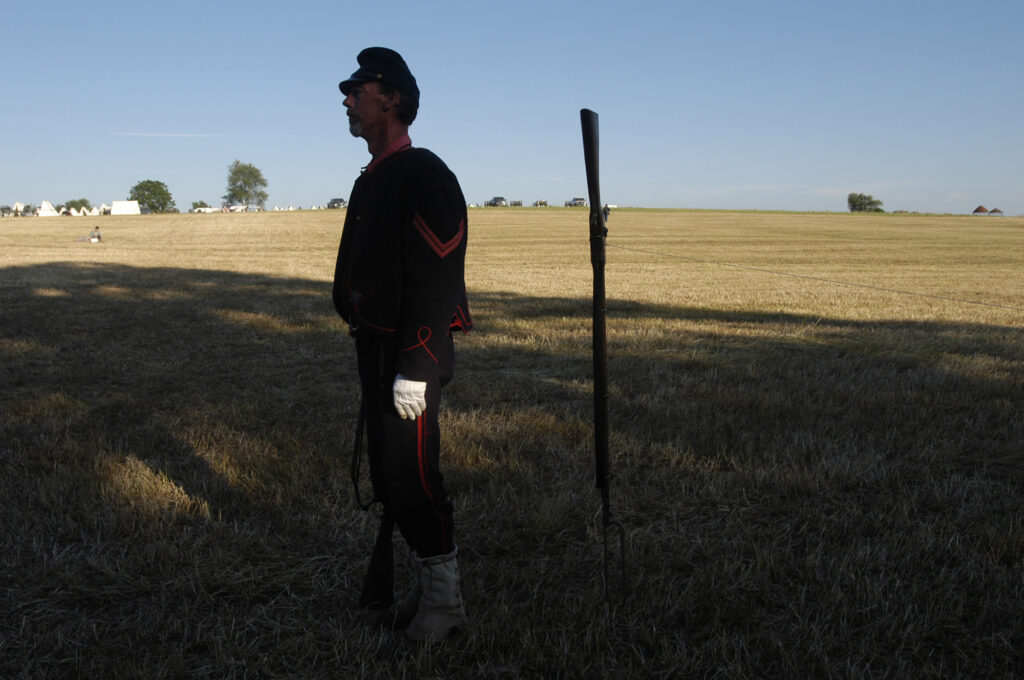
Adams County, named for President John Adams, was created from a portion of York County on January 22, 1800 following a contentious battle in the state legislature. After the dust settled, Gettysburg was named the county seat, after local landowner James Gettys. While the county has strong publishing, farming supply and wood products industries, farms still occupy over 50% of the land and their output accounts for 40% of the state’s annual harvest. As a result of this slow conversion to a more industrial economy, the county’s population has grown more slowly than that of neighboring counties. Adams County, once famous for wheat production, now leads the state in fruit production. The 3-day Battle of Gettysburg in 1863 resulted in carnage and loss of human life on an almost unprecedented scale–51,000 soldiers killed, wounded or missing– and became a symbol of the ultimate sacrifice of war. That battle has, ironically, spawned a robust tourist industry. Every year, Gettysburg National Military Park hosts visitors from around the world.
Greene County : In Brief
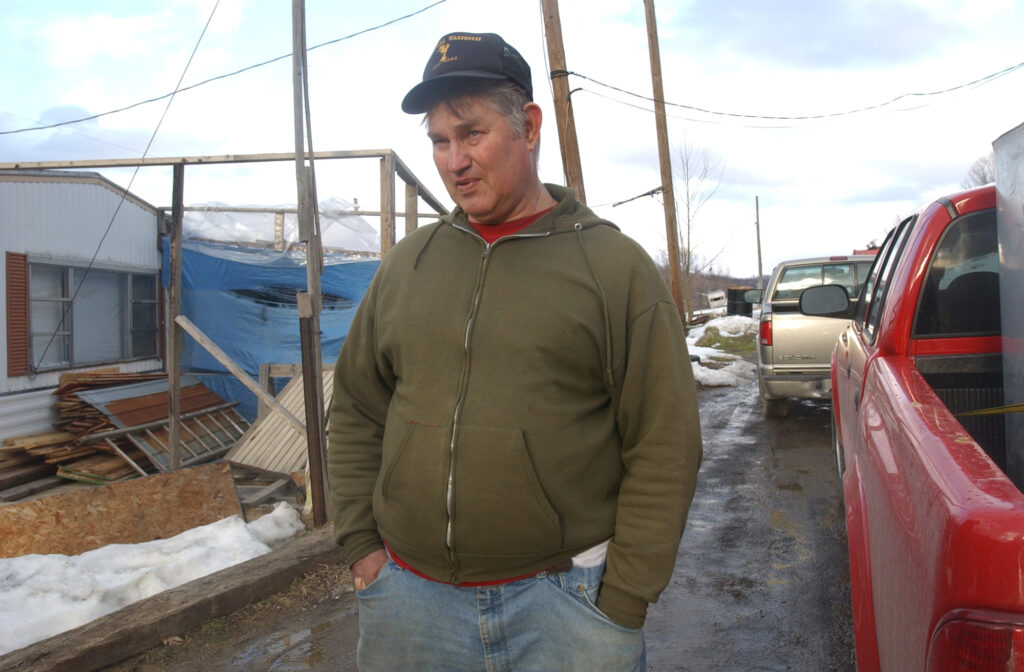
Like many Pennsylvania counties born of other counties, Greene County began life as the southern part of Washington County, gaining independence in 1796. The original courthouse, a small log structure, still stands in Waynesburg, the county seat. Greene lies just south of Pittsburgh, and was for years a critical component in the production of coal-fired steel. During the heyday of steel production, the river town of Rices Landing moved more coal through the Monongehela River locks than any product moved through the Panama canal. Though coal remains a critical employer in the region, Greene County is just as famous for the beauty of its farmlands, as well as the Warrior and the Catawba hiking trails, both rich in Native American history. It is also home to 7,000 acres of state gamelands. The trick will lie in maintaining the delicate balance between natural resources above and below the surface of the earth.