Pike County : In Brief
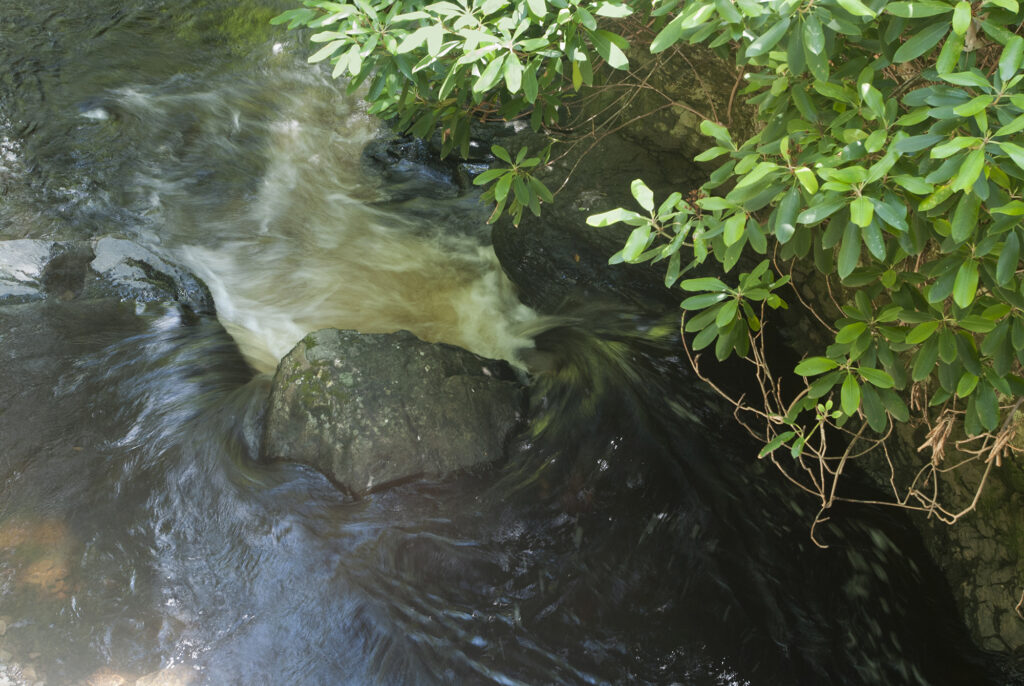
Pike county, named after Continental Army General Zebulon Pike, was created on March 26, 1824, from parts of Wayne County. As with many other places in Pennsylvania, the original inhabitants of Pike County were the Leni Lenape. In 1694 Benjamin Fletcher, Governor of the colony of New York, sent a contingent of settlers from Ulster County, New York, to Pike County, to serve as an English bulwark against French encroachment. It was the first time New Yorkers created a bedroom community in Pike County. Early settlers lived in peace with the Leni Lenape, but with increased settlement came land disputes. In 1737, the Walking Purchase, a treaty brokered by the Penn family with the Leni Lenape, enabled the Penn family and their associates to claim an area of 1,200,000 acres, including what would become Pike County. In what would later be viewed as a land swindle of immense proportions, the Lenape were driven out. In the early 1800’s, coal was discovered in Pike County. Following the War of 1812, the British restricted coal shipments from Britain to New York, and New York was starved for fuel. This need was the impetus for the building of the Delaware and Hudson Canal in 1825. Coal barges crossed the Delaware River by means of rope ferries; these proved tremendously inefficient. In 1848, to alleviate bottlenecking, John Roebling designed a suspension aqueduct to carry canal traffic over the Delaware River and ease traffic. The Roebling Aqueduct still stands. In the 1850’s the New York and Erie Railroad supplanted the canal, and in 1898 the canal ceased operations. In 1926, the Pennsylvania Power and Light Company began work on a dam on the Wallenpaupack Creek at Wilsonville, and its accompanying electric plant. Completed in 1928, the project resulted in the creation of Lake Wallenpaupack, Pennsylvania’s largest artificial lake. Now, thanks to the efforts of Gifford Pinchot, almost half of Pike County is preserved as forest, parks, or gamelands. Pike County’s close proximity to New York City has spurred massive population growth over the past twenty years, but it is its natural beauty that has made it a prime destination for all people, residents and visitors alike.
Philadelphia County : In Brief
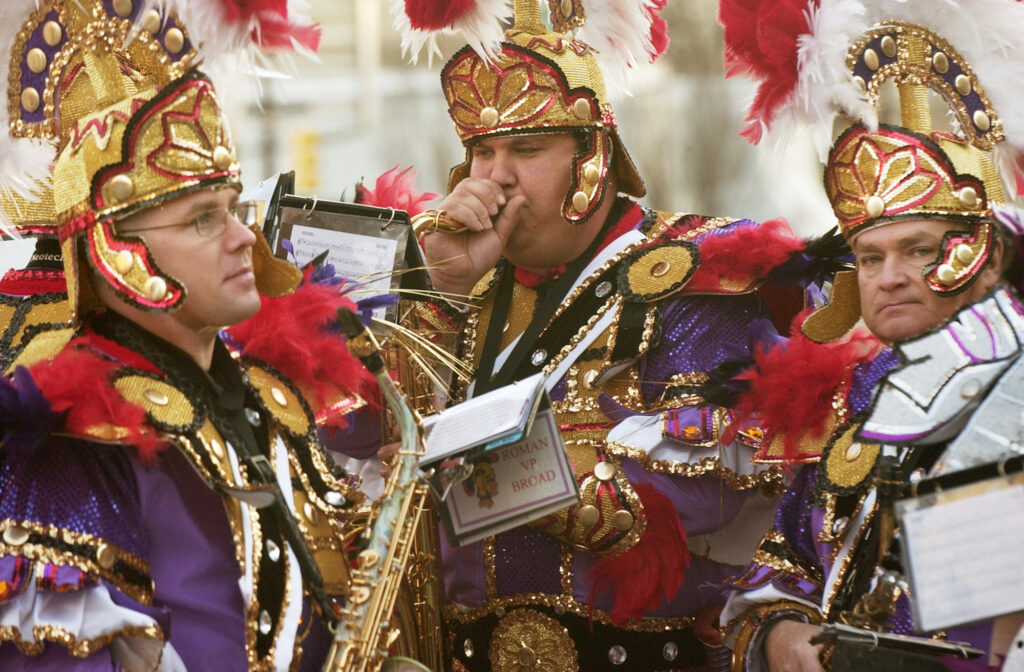
Philadelphia is one of the three original counties created by William Penn in 1682. The City of Philadelphia—the city of brotherly love—was laid out in 1682 as the county seat. In 1854, all municipalities within the county were consolidated within the city, and finally, in 1952, city and county offices were merged. While Swedes and Finns were the first settlers, the Dutch took over in 1655, but lost control to England in 1674. Philadelphia counted eighty families in 1683; by 1774 this number had increased to 24,000. Today the city —- and by definition, the county — numbers nearly 1,500,000 people. It was the economic stronghold of the country till 1830, when New York surpassed the city in population and commerce. But through the 19th century, Philadelphia led the nation in transportation, textiles and shipbuilding. The Pennsylvania Railroad, based in Philadelphia, grew into a nationwide system. After the civil war, the central business district of today emerged and Center City has become home to multinational businesses, and world renowned artistic, medical and educational communities. In the 1960’s and ‘70’s the city created in Society Hill a reminder of its Revolutionary War roots. Its cultural life has likewise benefited from a diversity of ethnicities. Today, Philadelphia, the birthplace of the Constitution, has remade itself as an international tourist destination based on its singular place in American history.
Perry County : A Brief History
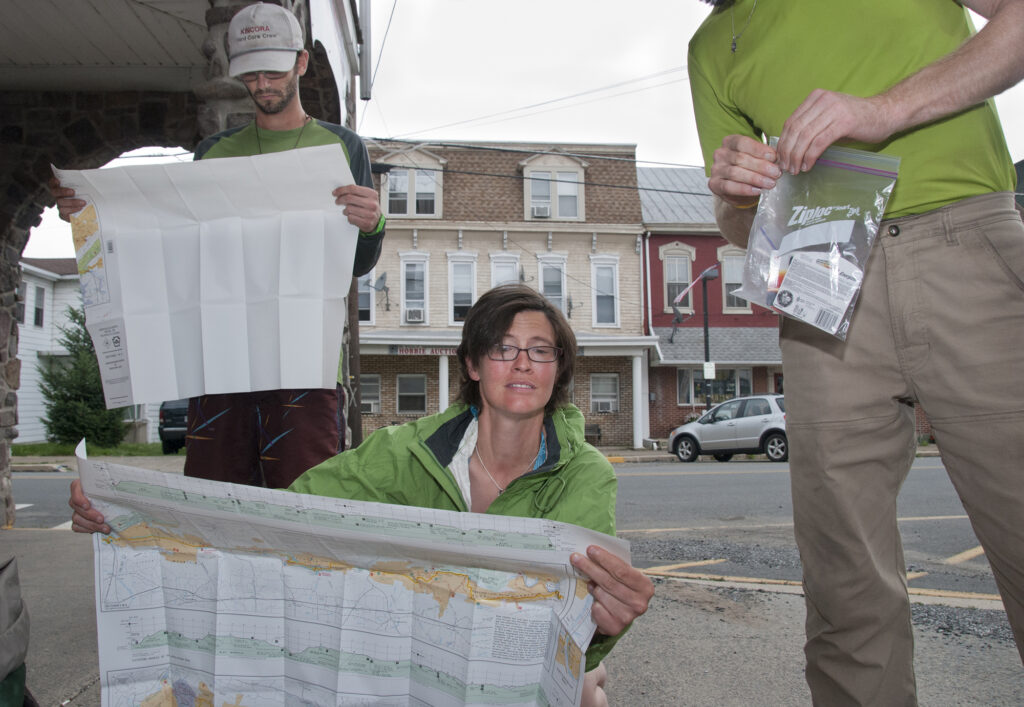
Originally part of Cumberland County, and named for Commodore Oliver Perry, Perry County was created on March 22, 1820. Skirmishes between Iroquois and settlers defined the first decades of settlement; Andrew Montour was the first authorized settler in what is now Perry County following the signing of an agreement with the Indians on April 18, 1752. These conflicts further diminished with the signing of the Treaty at Albany in 1754. Part of the Appalachian Mountain Region, Perry County’s borders are naturally delineated: it is bordered on the north, west and south by the Tuscarora, Conococheaque and Blue Mountains. On the east Perry County is bordered by 28 miles of the Susquehanna River. It was declared a separate County in part because, to get to Carlisle, the Cumberland County seat, residents were forced to trek across the Blue Mountains. Bloomfield became the County Seat shortly after the county’s creation. The mining of iron ore, the creation of tanneries, the manufacture of wool, and flour mills all contributed to Perry County’s early economic life. Farms dotted the hillsides, and today farming remains one of the county’s main industries. Because of its location in the midst of several mountain ranges, the county’s woodlands are recognized as exceptional hunting areas as well as exceptionally beautiful places to hike, or just enjoy the scenic vistas.
Northumberland County : In Brief
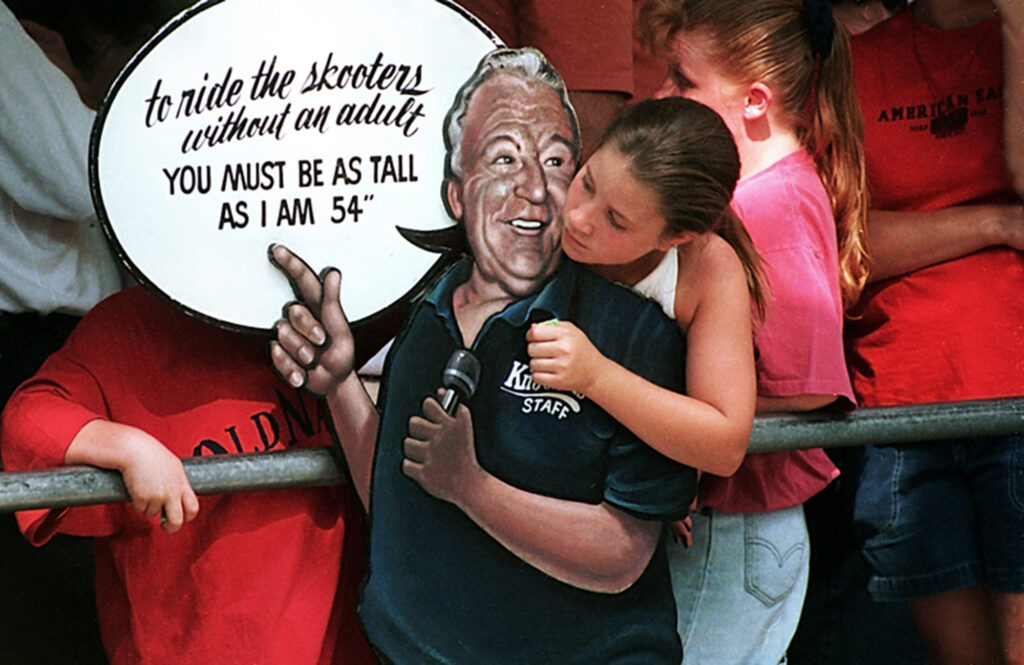
Northumberland County, founded in 1772, at one time spanned most of the northern part of Pennsylvania, stretching west from the Lehigh River to the Allegheny River. In the 200+ years since its founding, it has been divided and subdivided, resulting in the birth of 28 new counties, and lending Northumberland the nickname ‘Mother of Counties.’ Traversed by the northern branch of the Susquehanna River, the county has long been a provider of oats, potatoes, dairy and poultry products, as well as anthracite coal. It is home to the nation’s oldest covered bridge–the Rishel Covered Bridge near Montandon–and it is the birthplace of architect William Howard Lee, famous for his beaux arts era theater designs. Sunbury, the county seat, was laid out in 1756 on the site of Ft Augusta, a strategic juncture of native American and new American communities. In 1810, the city of Northumberland missed being the state capital by one vote. Ironically, the deciding vote–for Harrisburg– was cast by the representative from Sunbury.
Northampton County : In Brief
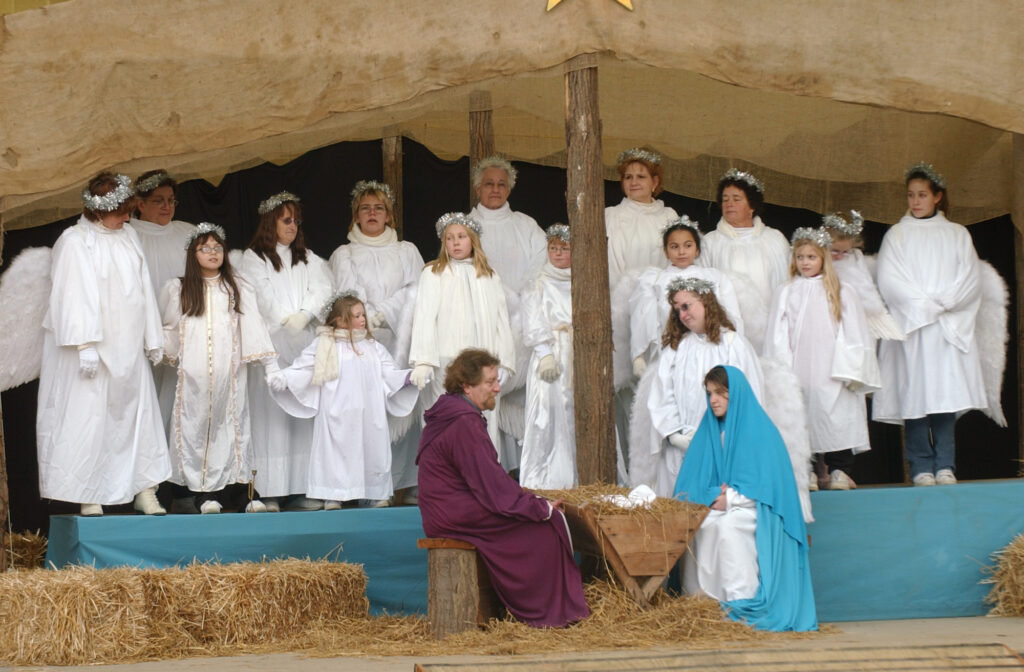
Northampton County was created in March, 1752, and encompasses the land o the “Walking Purchase,” a land deal made with the Delaware Indians in 1737. It was named by Thomas Penn, William Penn’s son, in dedication to his father-in-law, the Earl of Pomfret, who resided in Northamptonshire, England. Not content to stop there, Penn named the county seat Easton, after his father-in-law’s estate. Moravian settlements in the 1740’s set the county on its unique cultural path. In 1799, John Fries’s Rebellion against a federal tax on houses and land established these settlers as yet another group of incorrigible, proud citizens. Over time, the county ceded land as first Lehigh and then Carbon Counties were created from parts of Northampton. In 1829, the creation of the Lehigh Canal spurred industrial growth, and for the next century the county flourished with iron works, steel production, slate quarries, textile mills and zinc mines. Though the decline of these industries certainly took a toll on the economic life of the county, its future may lie in the richness of its cultural and intellectual life, its tourist appeal, and its growth as an eminently habitable region close to both Philadelphia and New York City.
Montgomery County : In Brief

Montgomery County, the wealthiest county in Pennsylvania, was 300 years ago the home of the Lenni Lenape Indians. The first settlements were chiefly Welsh and English. William Penn created two manors for members of his family in this territory, one in Springfield and one which became Norristown Township. During the Revolutionary War the county was the site of numerous skirmishes and encampments. Chief among these was Washington’s encampment at what is now Valley Forge National Park, where he and his troops remained from December 1777 to June 1778. It was here that Washington’s men prepared for the critical campaigns that followed. Carved out of Philadelphia County, Montgomery County was created by an act of the Pennsylvania Assembly in 1784, and Norristown became the county seat. As early as the 1690’s lime kilns were built, marble was quarried, and copper and lead were mined. What began as a lead mine is now the Audobon Wildlife Sanctuary.
Monroe County : In Brief
Named for President James, Monroe, Monroe County was created on April 1 1836 from parts of Northampton and Pike counties. The county seat, Stroudsburg, was named in 1837, for prominent settler Jacob Stroud. The region’s first industries grew out of its natural resources: wood was plentiful, and sawmills were built. Quarries yielded flagstones, slate and sand. Tanneries, gristmills, and factories thrived. Eventually towns grew around these industries. As the population grew, so did transportation systems, and by 1857 wagons gave way to rail travel. In 1900, the Delaware, Lackawanna and Western Railroad ran a new, fast train called the “Phoebe Snow” to the Poconos from New York, cementing the region’s fame and future as both home and travel destination; for the past 100 years, the natural beauty of Monroe County has drawn both settlers and tourists. The Pennsylvania portion of the Delaware Water Gap attracts visitors in every season. The area thrives on both winter skiing and summer hiking, and its status as a first class weekend getaway destination has earned it the moniker ‘Honeymoon Capital of the World.”
Mercer County : In Brief

Mercer County, located in northwestern Pennsylvania, along the Ohio border, was first settled in the mid-1790’s. Named for Revolutionary War hero Hugh Mercer, it was formed from part of Allegheny County, and incorporated in 1800. Mercer County is strategically placed between the ports of Erie and Pittsburgh. Area waterways like the Shenango River all contributed to the life of the region. As the population grew, it became apparent that water transportation would be a key to growth. By the the 1840’s, pig iron and coal were being hauled to Erie through the Beaver and Erie Canal. In the 1880’s, the powerful Wheatland Bessamer Steel incorporated, followed by Sharon Steel Hoop Company in 1900. Sadly, by the late 1980’s, a tornado had destroyed Wheatland, and Sharon declared bankruptcy. However, the purchase and refurbishing of Sharon Steel and other initiatives that took shape during the 1990s are beginning to have a positive impact. The county’s political history is even more interesting than its industrial heritage: in the mid-1820’s escaped slaves used the Underground Railroad to establish a settlement known as ‘Liberia,’ now Stoneboro. A decade or so later, a Mercer County Anti-Slavery Society address declared, “In the present state of our country and the world ‘nothing human is more certain’ than that slavery in the United States must terminate. ” Through the 1980’s, Mercer County was seen as a predictor of Pennsylvania voting outcomes, and as such a bellweather for the political fortunes of presidential candidates. Traditional resource-based industries – agriculture, forestry, and mining – as well as heritage-based tourism, will continue to play important roles in the county’s future.
McKean County : In Brief
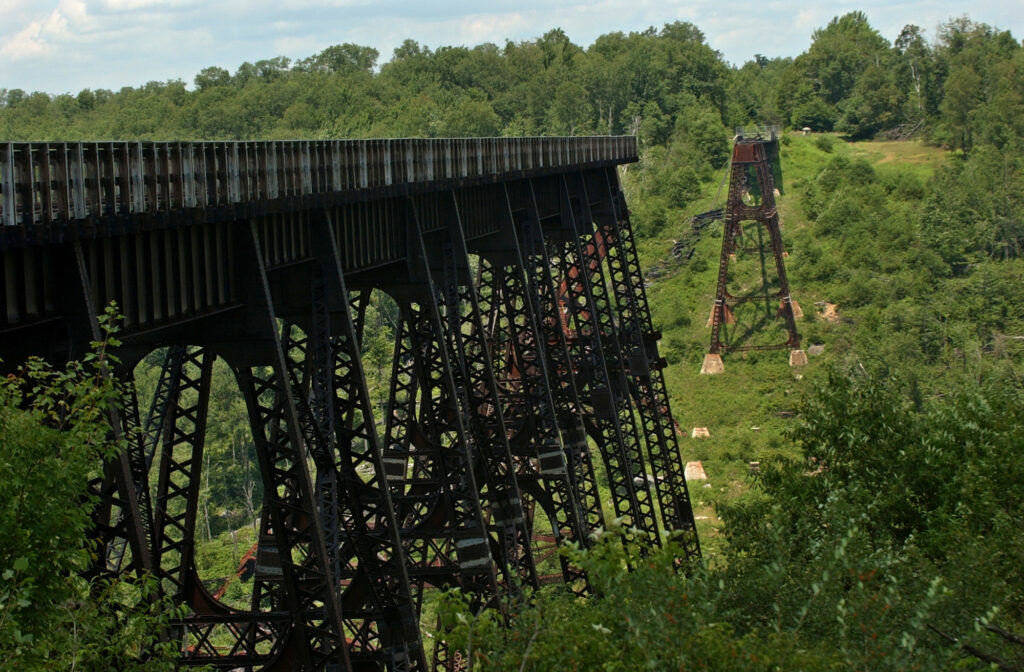
McKean County, named for Governor Thomas McKean, was originally part of Lycoming County and was established as an independent county in 1804. The capital of Smethport was named for Raymond and Theodore de Smeth, Dutch bankers in the region. A chiefly rural county, it sits at the edge of the Allegheny National Forest, and boasts an abundance of natural resources, including timber and the oil that made Bradford famous and wealthy. Bradford is also the home of “The Zippo Lighter,” and McKean County proudly calls itself “The Black Cherry Capital of the World.” Today a thriving university— The University of Pittsburgh at Bradford— world class medical and manufacturing facilities compliment the old oil and timber economy.
Lycoming County : In Brief
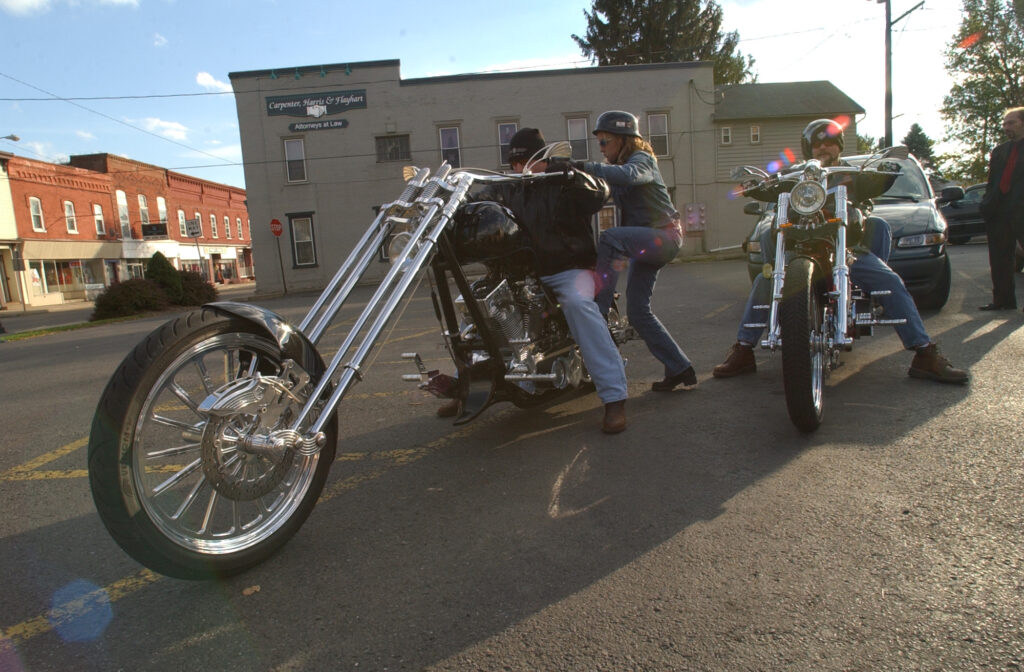
Lycoming County was created in 1795 from part of Northumberland County, although efforts to secure the land for Pennsylvania from its native inhabitants dated as far back as the Fort Stanwix Treaty of 1768. Its name derives from a Delaware Indian word meaning ‘sandy creek.’ Lumber was the county’s driving economic force from the beginning, and Williamsport, close to the Susquehanna River, became the county seat. Its canal-based proximity to the Susquehanna gave Williamsport lumber merchants enormous control over tbe marketing of their product. So successful were they, in fact, that they built mansions known as ‘Millionaires Row’ in the center of town. Sadly, the flood of 1889 ended Williamsport’s heyday as a lumber giant. and it took the town years to recover. Today, the county is a thriving producer of electronic and metal products, and home to Pine Creek, one of the best trout fishing streams in the country. Williamsport is, of course, internationally known as the home of Little League Baseball. Lycoming County must be a nice place to live–in recent years there have been many sightings of ‘Bigfoot.’